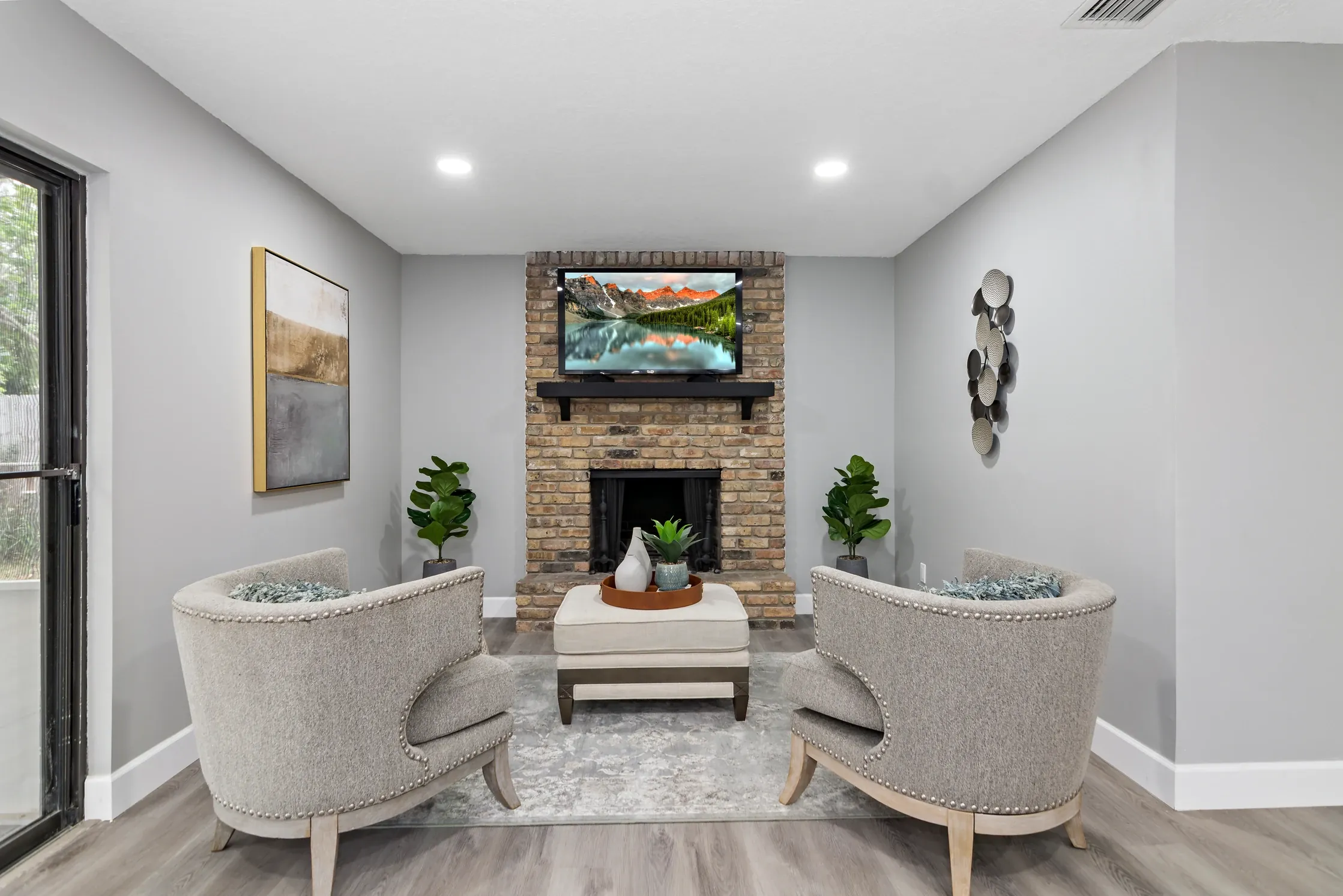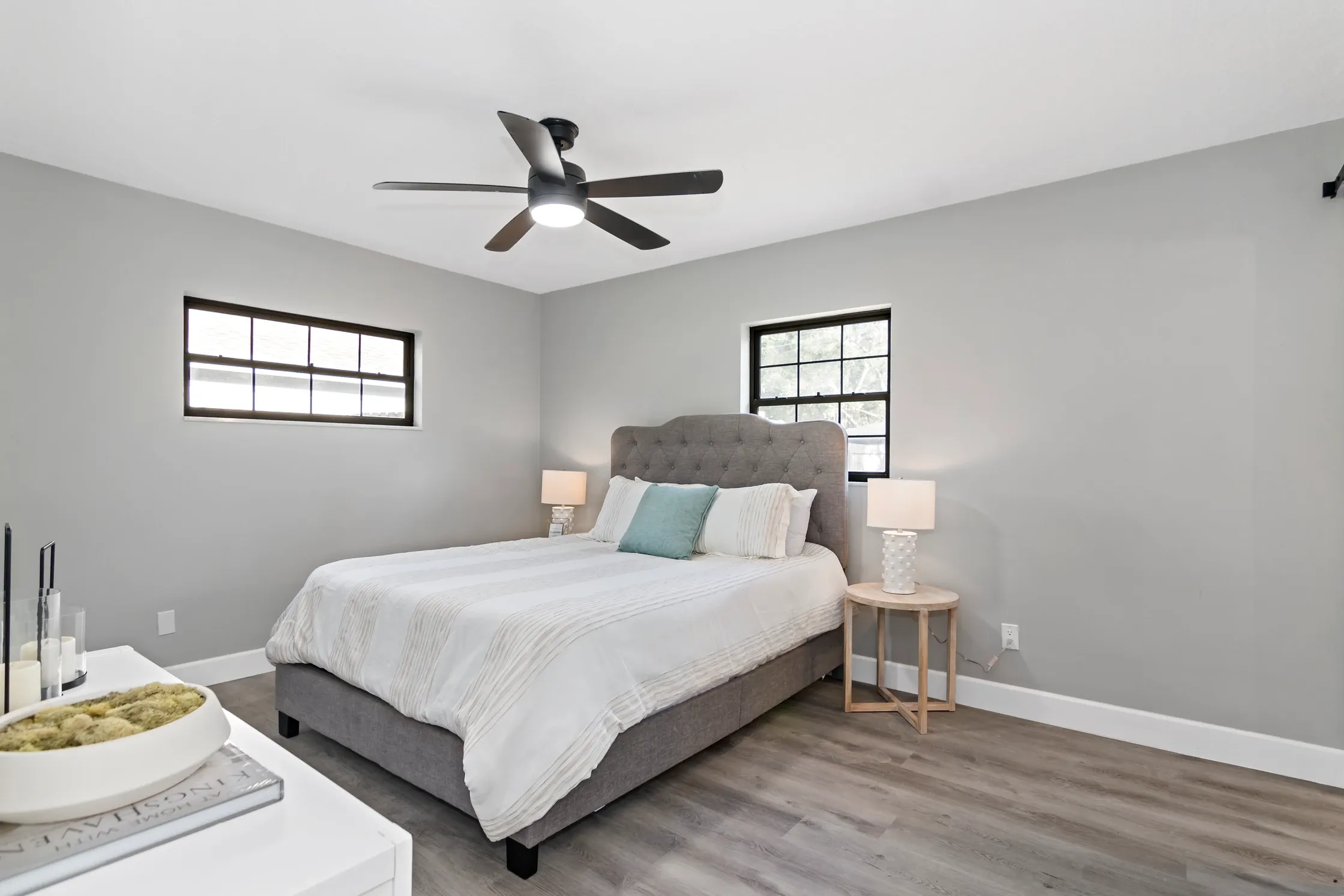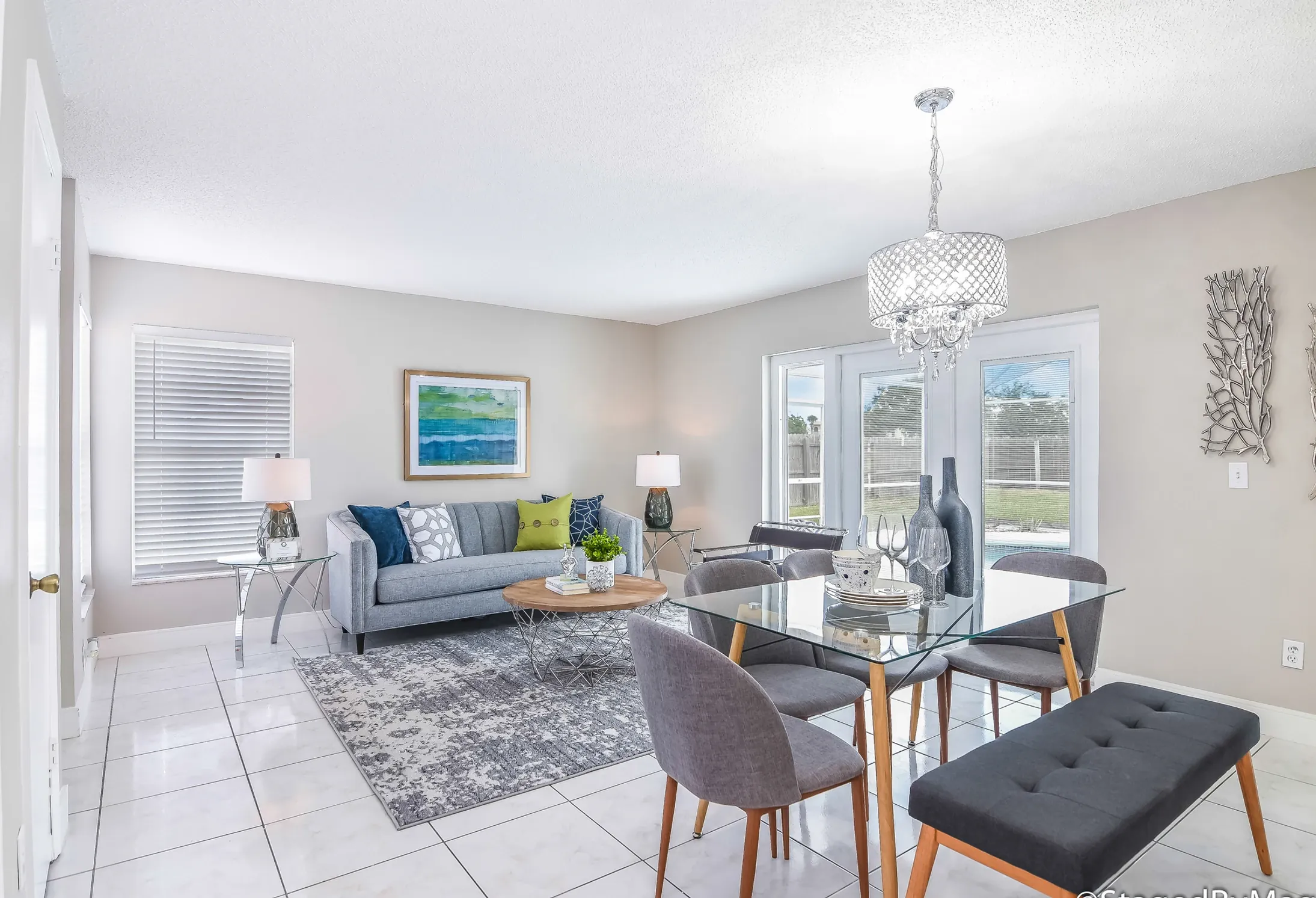
The short answer: staging can support a stronger offer, but it is not a promise
Professional staging is not a shortcut to a guaranteed sale price. Buyers still respond to location, condition, floor plan, pricing, and the competing homes they see during their search. What staging can do is make a property easier to read. It gives rooms a clear purpose, brings scale to open areas, and creates a more coherent first impression in photographs and showings. Those things matter because a buyer who understands a home quickly can spend more attention on its strengths instead of trying to solve its layout.
That distinction is important for Orlando sellers. A beautifully presented home will not correct an unrealistic list price or replace needed repairs. It can, however, help the listing show its best available version from the moment it goes online. When buyers are moving quickly between several listings, a calm, complete presentation helps the property feel considered instead of unfinished.
What the latest national data says
Buyers respond to a home they can picture themselves living in.
of buyers’ agents said staging made it easier for buyers to visualize the property as their future home.
said buyers were more willing to walk through a home they saw online when it was staged.
reported a 1% to 10% increase in the dollar value offered compared with similar unstaged homes.
of sellers’ agents reported decreased time on market.
Source: National Association of REALTORS® 2025 Profile of Home Staging. These are agent-reported observations, not a guarantee for every sale.
Why presentation affects how buyers judge value
Most buyers are not only evaluating square footage. They are deciding whether the home fits the way they live. A vacant living room can make it hard to estimate furniture scale. An awkward bonus room can leave them unsure whether it works as an office, guest space, or playroom. A crowded home can hide useful storage or make an otherwise generous room feel constrained. Each unanswered question adds friction to the decision.
Staging answers those questions visually. It helps buyers see where a sofa belongs, how a dining area can function, how a primary bedroom can feel, and where an everyday routine might happen. The strongest plans do not distract from the architecture with too much decor. They organize the eye so buyers notice the room, the light, the circulation, and the features that make the property different.
An illustrative comparison
See the Difference Professional Staging Can Make.
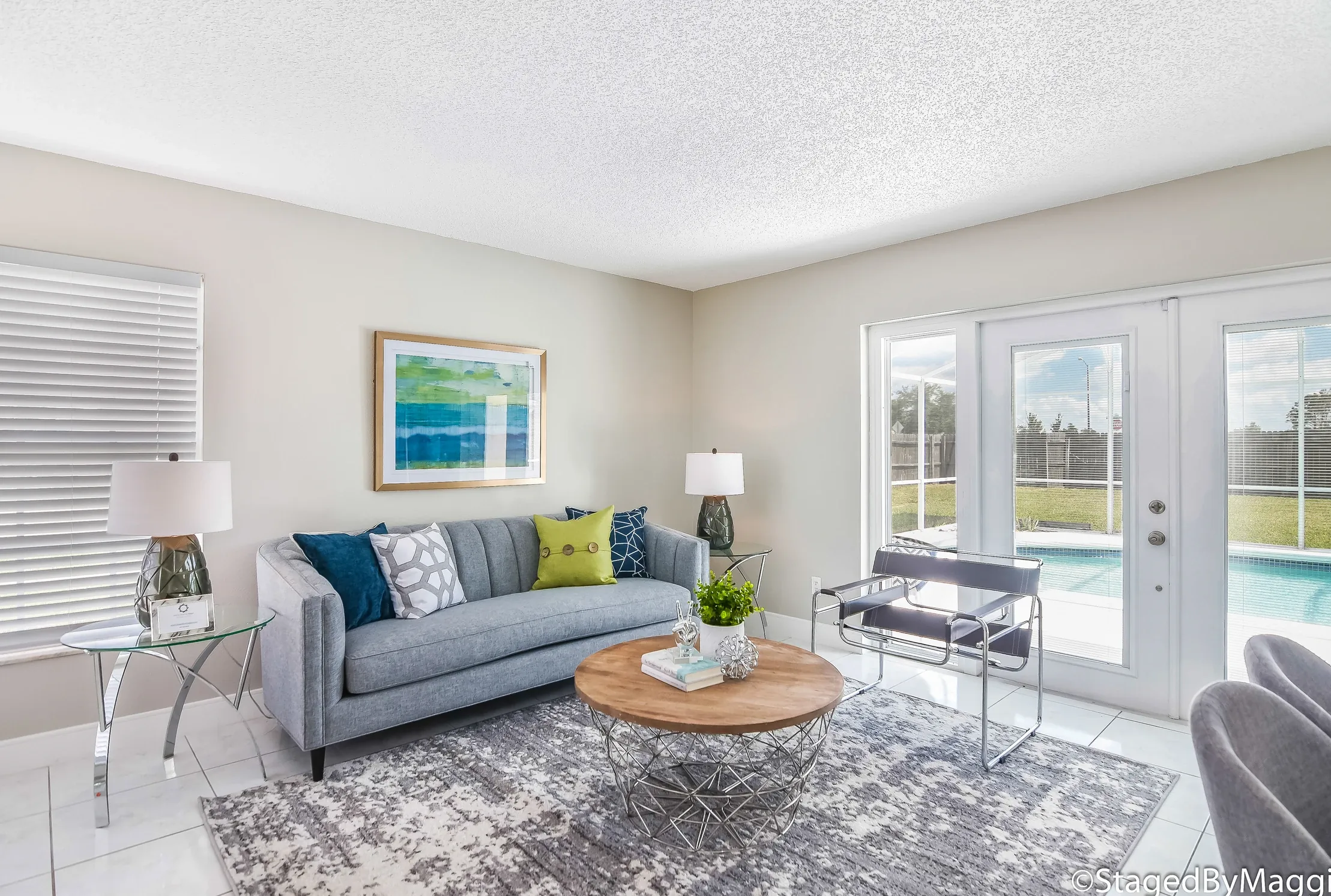
The rooms below illustrate the decision a buyer is making. One shows bare square footage. The other gives that square footage a purpose, scale, and a more welcoming point of view.
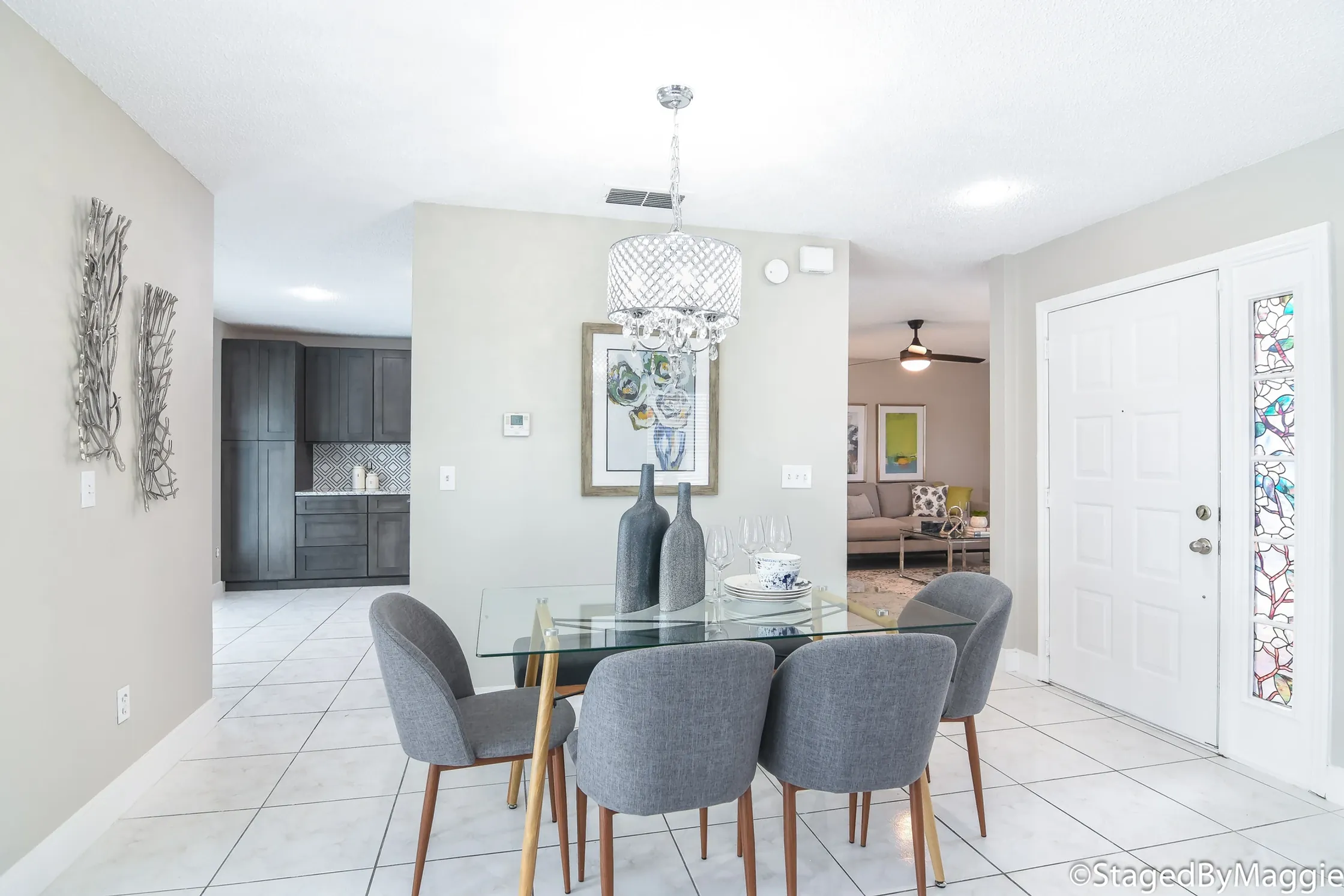
Illustrative comparison, not a documented before-and-after of a client property.
Vacant homes often have the most to gain from a clear point of view
Vacant homes can photograph cleanly, but clean is not always enough. Without furniture, buyers may misjudge room sizes, overlook useful zones, or feel less connected to a large open plan. That is particularly true when a home has a long great room, a formal dining space, a loft, or a flex room that needs a clear role. A thoughtful furniture plan makes the scale visible without trying to fill every inch.
For a vacant listing, the first rooms to consider are usually the entry, main living area, dining space, kitchen, primary bedroom, and outdoor living area. Those spaces carry the visual story online and help buyers orient themselves in person. A professional staging plan can then build around the property’s strongest features, whether that is natural light, indoor-outdoor flow, ceiling height, or a particular buyer lifestyle.
When staging is most likely to be worth the investment
Staging is most useful when the listing needs help communicating something that is hard to see on its own. That may be a vacant home, a property with large rooms, a home that has been updated but still feels unfinished, or a listing competing against newer or more polished options. It can also be useful when the current furnishings are too large, too personal, or do not match the home’s price point and likely buyer.
The best question is not simply, “Should every room be staged?” It is, “What will help the right buyer understand this property faster?” Sometimes that means a full-home installation. Sometimes it means focusing on the rooms that drive photography and showings. An occupied home may need editing, accessories, furniture arrangement, and a repeatable showing-day reset. A useful proposal should recommend the level of preparation that makes sense for the listing, not a one-size-fits-all package.
What staging cannot solve
Staging is a presentation tool, not a substitute for pricing, repairs, or a marketing plan. If a home has a material condition issue, an unclear listing strategy, or a price that does not reflect the market, those decisions deserve attention first. Buyers can appreciate a well-presented room and still weigh the home against its alternatives.
It also should not be treated as a way to disguise a problem. Good staging lets buyers see the home more clearly. It supports clean sightlines, balanced proportions, and honest photography, while keeping attention on the features that make the home livable. That is why the process should begin with a walkthrough and a conversation about the property, the listing timeline, and the rooms buyers need to understand.
A practical way to decide for your Orlando listing
Start with the online experience. Look at the homes a buyer will compare with yours in the same price range and area. Then walk your property with fresh eyes. Does each main room have an obvious purpose? Do the photographs show enough scale to make the layout feel easy? Does the home look ready for its next owner, or does it still look like it is between chapters?
Next, consider the listing’s timing. When photography, repairs, cleaning, and staging are coordinated before the launch, the result is more consistent and less rushed. That does not require turning the home into a showroom. It means choosing the few decisions that make buyers feel more certain, including clear rooms, comfortable light, a strong entry, and a visual story that carries from the first listing photo to the final showing.
Common seller objections, answered honestly
“The house is already empty and clean.” Cleanliness is essential, but it does not always communicate proportion. In an empty room, a buyer may focus on the empty corners instead of the view, ceiling height, or usable seating area. Staging is useful when it gives the buyer a practical reference point. It is less useful when the property’s rooms already read clearly and the listing photographs do not need that help.
“Buyers should be able to use their imagination.” Some can, but a listing is competing for attention before a showing ever happens. The NAR findings do not say staging changes every decision. They do suggest it can make visualization easier and encourage more buyers to take the next step of walking through a home they saw online. Good presentation lowers the amount of imagination a buyer needs to supply.
“I do not want it to look overdone.” That is a sensible concern. A strong staging plan is usually restrained. It works with the property’s architecture, leaves room to move, and avoids filling surfaces with unnecessary accessories. The home should feel polished, not like a catalog set. When the furniture scale, color, and layout are right, buyers notice the property first.
How sellers and Realtors can prepare for a stronger launch
Begin with the non-negotiables: repairs that will be visible in photos or showings, deep cleaning, landscaping, and a plan for the entry. Then decide what needs to be packed, what can be rearranged, and which rooms need a clearer purpose. If the home is occupied, set up a simple routine for showing days so counters, beds, lights, and personal items can be reset quickly. If it is vacant, focus first on the rooms that shape the listing’s first impression.
Bring the photographer and listing strategy into the same conversation. The goal is not simply to furnish a room. It is to make the strongest angles obvious, avoid visual distractions, and create a consistent sequence from the online gallery to the walk-through. A staging proposal is most useful when it is built around that plan, including the property’s condition, timeline, likely buyer, and the nearby homes it must stand beside.
Photography is where the staging decision starts working
For many buyers, the first showing happens on a phone or laptop. They may make a quick decision about whether to schedule an in-person visit based on a small set of listing images. That is why staging should be considered alongside photography, not after it. A furnished room usually gives the camera useful foreground, depth, and a clear focal point. It can show where the eye should rest, where people can gather, and how one area connects to the next.
That does not mean every photograph needs a styled moment. In fact, too many accessories or crowded surfaces can make a room feel smaller in an image. The useful question is whether each photo makes the home easier to understand. Strong listing images tend to show clean lines, usable circulation, natural light, and a sense of scale. Staging supports those qualities by editing the visual noise that competes with them.
Before photography, take a slow walk through the home at camera height. Look for furniture blocking windows, cords crossing the floor, rugs that make a room feel smaller, lamps without working bulbs, and empty corners that may need a clear purpose. This pass often reveals where a seller can make an easy improvement and where a professional plan could do more.
Think of staging as a listing decision, not a decorating expense
Sellers sometimes evaluate staging as though it were a permanent furnishing purchase. It is more useful to evaluate it as part of preparing the listing to meet its market. The value is in the presentation during the period when the home needs to make an impression, especially in its photography and early showings. A recommendation should account for the home’s likely buyer, the quality of competing listings, and the amount of visual help the property needs.
For example, a compact condo with an obvious layout may need a smaller scope than a large vacant home with several undefined spaces. A recently renovated home may need furniture and art that bring warmth to finished rooms, while an occupied home may only need an edit and a few targeted changes. The right answer depends on what the buyer needs to see, not on applying the same furniture plan to every property.
That approach also keeps the conversation grounded. Staging can help create a more compelling first impression, but it should work alongside the Realtor’s pricing and marketing decisions. A clear proposal gives sellers a way to weigh the presentation needs of their actual listing, rather than relying on a blanket promise about results.
Start with the rooms that influence the buyer’s first impression
Not every room needs the same level of attention. In most listings, the entry, living room, kitchen, dining area, primary bedroom, and outdoor living space do the most work in the visual story. These are the spaces buyers tend to remember because they answer basic questions about everyday life: Where do we gather? Is there room to host? Does the kitchen feel functional? Can the primary bedroom feel like a retreat? Is outdoor space usable?
Secondary rooms should still be clean and easy to understand, but they may only need a clear function and a few practical edits. A guest room should not become storage. A home office should not compete with a treadmill and laundry baskets. A loft should not make buyers guess whether it is a hallway or a usable room. Prioritizing the places that shape the buyer’s first impression helps sellers put effort where it supports the listing most.
A plan for the listing in front of you
Selling a Vacant Home in Orlando or Central Florida?
Interior Decor by Maggie creates considered staging plans for sellers, Realtors, and listing teams who want buyers to see the home at its best. Explore vacant home staging or request a proposal based on the property, timeline, and rooms that matter most.
Request a Staging ProposalFrequently asked questions
Does staging guarantee a higher sale price?
No. Staging is not a guarantee of a particular sale price or outcome. It is a presentation strategy that can make it easier for buyers to understand the home, compare it online, and see how the rooms can support daily life. The right scope still depends on the property, condition, price range, competition, and listing plan.
Is professional staging worth it for a vacant home?
It can be especially helpful for a vacant home because buyers have fewer visual cues for scale, room purpose, and flow. Strategic furnishings show how the main rooms live and give listing photography a warmer, more complete point of view.
Should an occupied Orlando home be staged?
Often, an occupied home benefits from editing, arranging, and targeted updates rather than a full vacant-home installation. The goal is to reduce distractions while keeping the home comfortable to live in until it sells.
When should staging happen?
Staging should be planned before listing photography. The online launch creates the first impression for many buyers, so the property should look consistent from the photos through each showing.